

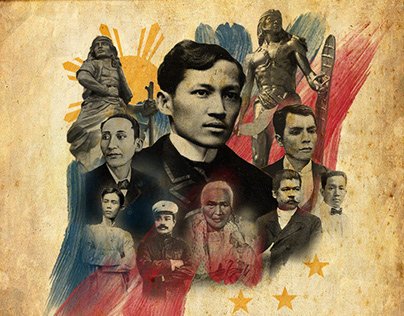
What is National Heroes Day? National Heroes Day is a significant day observed annually in several countries to honor the bravery, sacrifice, and contributions of individuals who have played pivotal roles in shaping the nation’s identity. In the Philippines, this celebration takes place on the last Monday of August, reflecting the country’s deep respect for its historical figures. The origins of this commemoration are rooted in the revolutionary movements against colonization, where numerous individuals displayed exceptional courage and commitment to the fight for freedom and justice. The establishment of National Heroes Day can be traced back to the recognition of the need to memorialize the sacrifices made by national heroes. Initially proposed by the Philippine government in 1931, it was intended to serve as a reminder of the importance of unity and patriotism among Filipinos. This day signifies an opportunity to acknowledge the enduring legacy of those who fought for independence and the values they represent. With a focus on honoring Filipino heroes, the celebration promotes national pride and an appreciation for the nation’s historical narrative. Celebrated in various forms, National Heroes Day often includes ceremonies, parades, and educational programs that serve to inform citizens about the nation’s historical figures and their contributions. Schools and communities engage in activities that highlight the virtues of heroism, valor, and selflessness that these individuals embodied. By emphasizing the importance of recognizing and honoring local heroes, the celebration fosters a sense of belonging and appreciation among citizens. Overall, National Heroes Day serves as a powerful reminder of the values that underpin a nation, bringing together citizens in a collective acknowledgment of those who have paved the way for freedom and democracy. The Importance of National Heroes National heroes serve as exemplary figures whose actions and sacrifices have significantly shaped their nations. They often embody the values and ideals that a society holds dear, making them crucial to the cultural identity of a country. As we celebrate National Heroes Day, it is essential to recognize the qualities that elevate these individuals to such revered status. National heroes are often characterized by their unwavering commitment to justice, freedom, and the well-being of their fellow citizens. Their courage in the face of adversity fosters patriotism and instills a sense of unity among the populace. The stories of national heroes inspire ordinary citizens, reminding them of their nation’s struggles and triumphs. For instance, figures like Dr. José Rizal in the Philippines, Mahatma Gandhi in India, and Nelson Mandela in South Africa illuminate the path toward freedom and equality. These individuals not only fought for their rights but also for the rights of their compatriots, advocating for peace and progress. Their legacies leave a profound impact on generations, serving both to motivate and educate. This spirit of sacrifice becomes a guiding force, encouraging citizens to actively participate in their communities and strive for excellence. Celebrating national heroes on significant days, such as National Heroes Day, is a powerful reminder of the sacrifices made for the greater good. This day serves as an occasion for reflections on how these figures’ legacies continue to influence contemporary society. The traditions and ceremonies associated with this celebration foster a collective respect for those who have dedicated their lives to their nation. In honoring Filipino heroes, we not only recognize the past but also inspire future generations to uphold the values of integrity, courage, and service to the community. Celebrations and Traditions National Heroes Day is a significant day that resonates deeply within the hearts of Filipinos, as it provides an opportunity to honor Filipino heroes who have made immense sacrifices for the nation. Celebrations for this momentous occasion vary across different communities, reflecting diverse cultures and traditions. Commonly, the day is marked by formal ceremonies, which often take place in local government offices, schools, and public spaces, where ceremonies include the laying of wreaths at monuments commemorating these national heroes. These rituals embody respect and gratitude towards those who have played pivotal roles in the nation’s history. Parades are another prominent feature of the National Heroes Day celebration. Communities gather for vibrant processions that include floats, marching bands, and groups showcasing traditional dances and costumes, paying homage to heroes of the past. This joyful expression of national pride fosters a sense of unity and collective identity among participants, encouraging the public to remember the importance of national heritage and the contributions of various historical figures. In conjunction with ceremonies and parades, educational activities also play a significant role in observing this special day. Schools often organize discussions, art competitions, and storytelling sessions that focus on the valor and stories of Filipino heroes. This engagement not only educates younger generations about the importance of their national heroes but also instills a sense of pride and responsibility towards their country. Moreover, communal events like local festivals, exhibits, and workshops promote cultural expression, allowing communities to use art and music to celebrate their heritage while honoring the sacrifices made for freedom and independence. Ultimately, the various ways in which National Heroes Day is commemorated serve as a powerful reminder of the enduring legacy of Filipino heroes and the collective responsibility to uphold their ideals. Remembering Our Heroes: Modern Relevance National Heroes Day serves as a significant day for reflecting on the contributions of individuals who have shaped the history and culture of the nation. In contemporary society, the relevance of honoring Filipino heroes transcends mere commemoration; it acts as a call to action for citizens to engage with their heritage and uphold the values these heroes exemplified. Amidst global challenges such as social inequality, political unrest, and environmental degradation, the lessons derived from the lives of national heroes remain salient. By examining the stories of these heroes, we can draw parallels to the current social and political landscapes. Many Filipino heroes embodied the principles of bravery, integrity, and selflessness. Their sacrifices and struggles can motivate the younger generation to take actionable steps in their communities, fostering a sense of responsibility and civic engagement. The current
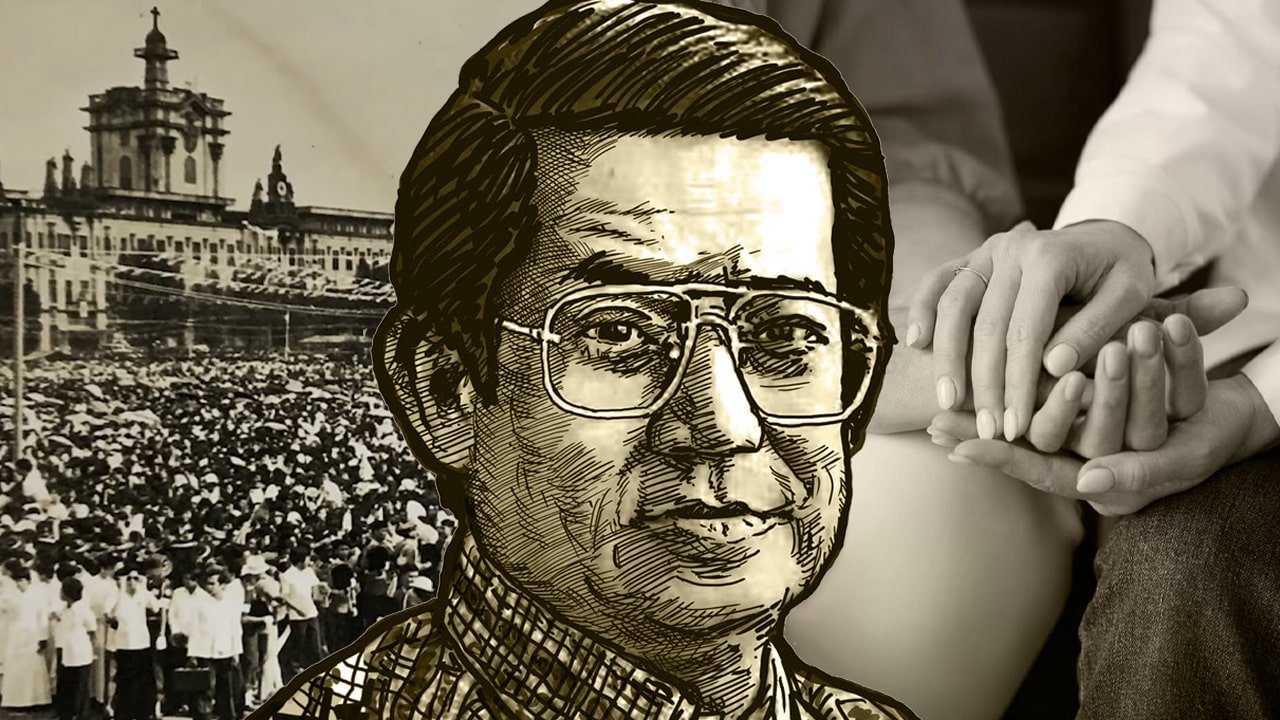
Commemorating Ninoy Aquino Day: A Tribute to a Legacy of Courage and Democracy
The Life and Legacy of Benigno ‘Ninoy’ Aquino Jr. Benigno “Ninoy” Aquino Jr. was born on November 27, 1932, into a politically connected family in the Philippines. His early exposure to political life served as a foundation for his future endeavors, instilling in him a strong sense of civic duty and commitment to public service. Aquino pursued his education at the Ateneo de Manila University, where he developed a keen interest in political science and governance, which later propelled him into a prominent political career. In the late 1950s, at a young age, Aquino began his political journey as the mayor of his hometown of Concepcion, Tarlac. His astute understanding of political dynamics and ability to connect with the citizenry quickly earned him recognition. His subsequent roles included serving as a senator and becoming a significant figure in the opposition against the regime of Ferdinand Marcos. Aquino was vocal in his criticism of the Marcos administration, particularly during a time when democratic freedoms were increasingly under threat. In 1972, the Philippines faced significant turmoil as Marcos declared martial law, silencing dissenters and curtailing democratic rights. Aquino’s unwavering commitment to democracy led him to spend nearly eight years in prison, where he faced harsh conditions yet remained resolute in his beliefs. His imprisonment galvanized support for the opposition and drew attention to the rampant human rights violations occurring in the country. Following his release, Aquino was allowed to seek medical treatment in the United States, but his longing for his homeland never wavered. He returned to the Philippines in 1983, recognizing the personal risks but driven by a desire to inspire hope in the Filipino people. Tragically, Aquino was assassinated upon his return to Manila, a pivotal event that ignited a widespread movement for democratic reform. His legacy endures as a symbol of courage and sacrifice, encapsulating the timeless struggle for democracy in the Philippines. The Significance of Ninoy Aquino Day Ninoy Aquino Day, commemorated annually on August 21, stands as a poignant reminder of the sacrifices made in the quest for democracy in the Philippines. This day honors the legacy of Benigno “Ninoy” Aquino Jr., whose assassination in 1983 became a pivotal moment in Philippine history. His death catalyzed a nationwide movement that ultimately led to the end of the Marcos dictatorship and the restoration of democratic governance. The establishment of Ninoy Aquino Day as a national holiday in 2007 reflects the collective acknowledgment of Aquino’s contributions to the fight for human rights and political reform. The significance of this day extends beyond remembering an individual; it symbolizes the enduring struggle for democracy and the protection of civil liberties in the Philippines. Ninoy Aquino’s commitment to justice and equality resonates deeply in the current socio-political landscape, serving as a clarion call for Filipinos to remain vigilant in safeguarding their democratic rights. As a celebration of courage and resilience, this holiday urges the populace to reflect on their democratic values and the sacrifices made to secure these rights for future generations. Ninoy Aquino Day also emphasizes the importance of civic engagement and activism. Commemorating this day involves various activities, including seminars, discussions, and community service events focused on fostering a deeper understanding of democratic principles. It encourages individuals to actively participate in the democratic process, ensuring that the lessons learned from Aquino’s life and death continue to inspire action against tyranny and injustice. In conclusion, Ninoy Aquino Day is not merely a day of remembrance but an affirmation of the Philippines’ ongoing commitment to democracy and human rights. It serves as a powerful reminder of the sacrifices made by those who fought for freedom and encourages current and future generations to uphold these values. Ninoy Aquino’s Impact on Modern Philippine Politics Ninoy Aquino’s contribution to Philippine politics transcends his lifetime, leaving an indelible mark on modern governance and civic activism. His steadfast advocacy for democracy and human rights serves as a potent reminder of the importance of these values in the current political landscape. The principles he championed during his lifetime resonate deeply with ongoing political movements across the nation, reflecting a yearning for a government that prioritizes accountability and transparency. Several political leaders today invoke Aquino’s ideals as inspiration. They draw on his legacy when addressing contemporary issues such as corruption, abuses of power, and the suppression of dissent. As citizens engage in discussion about their rights and responsibilities, they often reference Ninoy Aquino Day as a day of reflection and action. This annual celebration encourages the Filipino populace to unite in their demands for justice and freedom, reinforcing the notion that civic engagement is essential for a flourishing democracy. However, the Philippines continues to grapple with challenges that threaten democratic institutions. The ongoing debate on press freedom, human rights violations, and electoral integrity underscores the relevance of Aquino’s message. Activist groups frequently remind their constituents of the sacrifices made by Aquino, urging them to remain vigilant against threats to democracy. These discussions are crucial, especially as the country navigates complex political dynamics that often mirror the struggles faced during Aquino’s time. In essence, the legacy of Ninoy Aquino serves not just as a historical reference but as a catalyst for ongoing dialogue about the future of democracy in the Philippines. His enduring influence keeps alive the spirit of resistance and hope, empowering the next generation to aspire for a society built on the foundation of respect for human rights and the rule of law. Commemorative Events and Activities Ninoy Aquino Day is observed annually on August 21, serving as a poignant reminder of the sacrifices made in the pursuit of democracy in the Philippines. Across the nation and among Filipino communities worldwide, various commemorative events take place, reflecting the profound impact of the legacy left by Benigno “Ninoy” Aquino Jr. These activities allow individuals to engage with history, promoting a collective memory that honors not only Aquino’s life but also the broader struggle for democratic ideals in the Philippines. In the Philippines, official ceremonies often commence with a