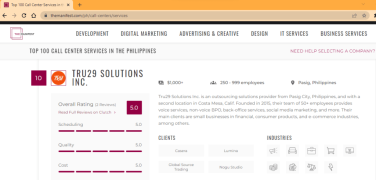


Understanding Project Management Outsourcing Project management outsourcing refers to the practice of delegating project management responsibilities to an external provider, allowing businesses to leverage specialized skills and resources that may not be readily available internally. This approach operates through various models, including Business Process Outsourcing (BPO), which focuses on transferring entire work processes or functions to third-party experts. By outsourcing project management, organizations can ensure that their projects are handled efficiently and effectively without straining their internal teams. The significance of project management outsourcing in today’s business landscape cannot be overstated. As organizations strive to remain competitive in a fast-paced global economy, they often confront the challenge of limited in-house expertise or resources. Outsourcing to the Philippines, for instance, has gained popularity due to its skilled workforce, cultural compatibility, and cost-effectiveness. Such regions have emerged as prime destinations for businesses seeking to outsource specific functions of their project management. Several key reasons compel businesses to outsource project management. Primarily, it allows for a greater focus on core competencies, as internal teams can channel their efforts towards strategic initiatives while external experts manage projects. Additionally, it enhances flexibility and scalability, as the outsourced provider can adapt resources according to the project’s changing demands. By engaging a reliable partner like Tru29, companies can gain access to cutting-edge project management practices, ensuring better outcomes and reduced risks. Overall, understanding the mechanics and advantages of project management outsourcing is essential for businesses looking to enhance their operations. The evolving nature of the business environment signifies that outsourcing is not merely an option, but increasingly a necessity for maintaining competitive advantage. Key Benefits of Outsourcing Project Management Outsourcing project management has become a strategic decision for many organizations aiming to enhance their operational efficiency. One of the primary benefits of this approach is cost savings. By outsourcing to specialized firms like Tru29, businesses can reduce overhead costs associated with maintaining an in-house project management team. This is particularly beneficial for small to medium-sized enterprises (SMEs) that may not have the budget or resources to support a full-time staff dedicated to project management. Another significant advantage is access to specialized skills. When companies outsource project management, they tap into a pool of talented professionals who possess the necessary expertise and experience to drive projects to success. This is especially pertinent in industries where project management methodologies and tools are continuously evolving. By leveraging external expertise, organizations can ensure that their projects are managed using the latest best practices and technological innovations. Additionally, outsourcing allows businesses to maintain a strong focus on their core operations. By delegating project management responsibilities to a trusted partner like a business process outsourcing (BPO) provider, companies can allocate more time and resources to activities that directly contribute to their growth and profitability. This enhanced concentration on core functions can lead to improved performance across the organization. Moreover, effective risk management is another substantial benefit of outsourcing. Professionals in project management are trained to identify, assess, and mitigate risks throughout the project lifecycle. By outsourcing these tasks, companies enhance their ability to navigate uncertainties, ensuring that potential issues are addressed promptly and effectively. This proactive approach ultimately leads to increased efficiency and productivity, affirming the advantages of embracing outsourcing in today’s competitive landscape. Why Choose Tru29 for Project Management Outsourcing When it comes to project management outsourcing, Tru29 stands out as a reliable partner with nearly two decades of extensive experience across various industry verticals. This wealth of knowledge allows Tru29 to understand the nuanced demands and challenges that different sectors face, ensuring that your projects are managed with a level of expertise that is hard to match. The company has successfully delivered numerous projects, demonstrating a strong track record that highlights its commitment to excellence in business process outsourcing (BPO). This history of success positions Tru29 as a preferred choice for organizations looking to enhance their project management capabilities while saving time and resources. By outsourcing to the Philippines, where Tru29 is based, clients can take advantage of a skilled workforce that is well-versed in the latest project management methodologies and tools. Moreover, partnerships with Tru29 mean access to a team that is not only adept at delivering results but also at anticipating the needs of your business throughout the project lifecycle. This proactive approach ensures that potential issues are addressed before they escalate, thereby maximizing project efficiency. Tru29’s emphasis on continuous improvement and innovation further reinforces its standing in the field. In conclusion, choosing Tru29 for project management outsourcing provides businesses with a partner that combines vast industry experience, a strong reputation for reliability, and a commitment to successful project delivery. By outsourcing your project management needs to Tru29, you can focus on your core business while enjoying peace of mind knowing that your projects are in capable hands. Conclusion: The Future of Project Management Outsourcing In the contemporary business landscape, the strategic choice to outsource project management can offer a plethora of advantages. As explored earlier, outsourcing not only enhances operational efficiency but also allows businesses to leverage specialized skills and resources that might be absent in-house. A proactive partner in project management, such as Tru29, can facilitate improved productivity and focus on core competencies, leaving detailed project oversight to experts in the field of business process outsourcing (BPO). The growing trend of outsourcing to the Philippines highlights a shift towards recognizing the value of international partnerships. Companies are increasingly turning to seasoned professionals, proficient in project management, to help navigate the complexities of their operations. This is particularly relevant in industries where rapid innovation and market responsiveness are critical. As organizations face the pressure to streamline processes and reduce costs, the demand for effective BPO strategies will undeniably escalate. Moreover, the future of project management outsourcing seems to be intertwined with advancements in technology. The integration of digital tools and platforms facilitates seamless collaboration, enabling teams to operate across borders with ease. This digitization trend not only enhances communication but also improves the overall management of projects,

Essential Outsourcing Terminologies: A Comprehensive Guide
Introduction to Outsourcing Terminologies Outsourcing refers to the practice of contracting out business functions or processes to third-party service providers. This strategic approach is not just limited to manufacturing; it encompasses various services including IT support, customer service, and even specialized areas like data annotation and image annotation. As businesses increasingly globalize, outsourcing has surged in popularity, particularly in markets like business process outsourcing (BPO), call centers, and contact center solutions. Understanding outsourcing terminologies is crucial for companies seeking to leverage these services effectively. Clear communication is essential when establishing partnerships with external providers, and a grasp of specific terms such as staff lease and seat lease aids in navigating these relationships. These terms help delineate the responsibilities and expectations of each party involved, thereby fostering a cooperative environment conducive to mutual success. Furthermore, with the rise in demand for virtual assistants and remote workers, and the expanding scope of IT outsourcing, the glossary of outsourcing terminologies continues to evolve. Accurate comprehension of this vocabulary not only facilitates smoother interactions but also empowers businesses to make informed decisions regarding outsourcing initiatives. By integrating this knowledge, companies can enhance operational efficiency, focus on core competencies, and ultimately improve their service delivery in a competitive marketplace. Outsourcing Definition: What Does It Mean? Outsourcing is a business practice that involves delegating certain tasks or functions of an organization to external service providers. This strategic approach allows companies to focus on their core operations while leveraging the expertise of specialized providers in different industries. The practice of outsourcing encompasses a variety of activities, ranging from information technology (IT) services, such as IT outsourcing, to business process outsourcing (BPO), which often includes customer service operations like those managed by call centers or virtual assistants. There are several types of outsourcing that businesses may engage in. One common type is IT outsourcing, where companies contract external vendors to manage their technology needs, such as software development and system maintenance. Another type is manufacturing outsourcing, often seen in sectors requiring production capabilities that are cost-prohibitive to maintain in-house. Additionally, human resources functions can also be outsourced, allowing companies to benefit from expert knowledge in recruitment, payroll processing, and employee training. The significance of outsourcing in today’s business landscape cannot be overstated. Through outsourcing, organizations can reduce costs, improve efficiency, and enhance their service offerings. For example, by utilizing BPO services, a company can provide excellent customer service through a dedicated contact center, ensuring that customer inquiries are managed effectively. Similarly, the practice of staff lease and seat lease has gained popularity as flexible staffing solutions that align workforce capabilities with business needs. Furthermore, companies harness data annotation and image annotation outsourcing to improve data processing tasks, thus enhancing overall productivity. By integrating these outsourcing terminologies into their business operations, organizations can strategically position themselves for growth and success in a highly competitive market. The Importance of Understanding Outsourcing Terminology In the ever-evolving landscape of outsourcing, familiarity with outsourcing terminologies is essential for fostering effective collaboration between companies and service providers. Terms such as BPO (Business Process Outsourcing), call center operations, and virtual assistants form the backbone of conversations in this industry. A solid understanding of these terms not only enhances communication but also aids in ensuring that all parties involved have aligned expectations and objectives. The jargon associated with outsourcing can have significant implications on contracts and negotiation processes. For instance, the differentiation between staff lease and seat lease can dictate the flexibility and costs associated with hiring models. Misunderstandings regarding such terms may lead to unfavorable contract terms or unmet service expectations. By grasping these outsourcing terminologies, companies are better positioned to negotiate favorable contracts that reflect their unique needs while ensuring clarity regarding deliverables. Furthermore, the management of outsourcing relationships depends heavily on a shared language. Terminology such as IT outsourcing, data annotation, and image annotation plays a crucial role in making certain that teams are aligned and projects run smoothly. Knowledge of these terms enables project managers to effectively communicate requirements and progress with both internal teams and external providers. Without a solid command of outsourcing jargon, misunderstandings may arise, compromising the efficiency and success of the outsourcing initiative. Ultimately, investing in the understanding of outsourcing terminology fosters trust and transparency in the partnership between businesses and service providers. This investment not only smooths the negotiation process but also paves the way for long-term success in managing outsourcing relationships, thereby enhancing overall business performance. Common Outsourcing Terms Explained In the realm of outsourcing, several key terminologies are essential for understanding the landscape. Below is a list of frequently used outsourcing terms along with their definitions: Business Process Outsourcing (BPO): This refers to the practice of contracting third-party service providers to handle non-core business functions, such as payroll, customer service, or IT tasks. Call Center: A facility that handles a large volume of telephone calls, typically for customer support and service inquiries. Virtual Assistant: An individual who provides professional administrative, technical, or creative assistance to clients remotely. Contact Center: A centralized office used for incoming and outgoing customer communication via various channels such as phone, email, and live chat. Staff Lease: An outsourcing arrangement where a company leases employees from a third-party provider to perform specific tasks or projects. Seat Lease: This is an agreement where a company rents operational space and resources, such as equipment and facilities, from a third-party provider, typically for call center or BPO operations. IT Outsourcing: The practice of delegating areas of IT services to an external firm, encompassing everything from software development to network management. Data Annotation: The process of labeling data for training machine learning models, which can include text, audio, video, and images. Image Annotation: A specific type of data annotation focused on providing descriptive labels or tags to images for better recognition by AI or computer systems. Service Level Agreement (SLA): A contract that outlines the expected level of service, including quality metrics, response times, and performance standards between a service provider and a client.

Is Outsourcing in the Philippines Dying? Exploring the Evolution of the Outsourcing Industry
Understanding Outsourcing in the Philippines Outsourcing, the practice of contracting a third party to perform services traditionally handled in-house, has gained significant traction over the last two decades. The Philippines has emerged as a premier destination for outsourcing, particularly in sectors such as business process outsourcing (BPO), information technology (IT), and customer service. This growth can be attributed to a multitude of factors that have positioned the country as a viable hub for global companies seeking efficient and cost-effective solutions. One of the key drivers behind the Philippines’ rise in the outsourcing industry is its large, skilled workforce. With a high literacy rate and strong English proficiency, Filipinos are well-equipped to meet the demands of various sectors, making them attractive candidates for international companies. The cultural affinity towards Western practices further enhances their capability to engage proficiently with international clients. The government has also played a critical role in nurturing the outsourcing sector. Recognizing its economic potential, authorities have implemented policies that encourage foreign investment and provide incentives for outsourcing companies. Additionally, the establishment of special economic zones has fostered a business-friendly environment, contributing significantly to the growth of outsourcing in the Philippines. These zones are equipped with advanced infrastructure, which further facilitates the ease of doing business. In terms of the sectors most commonly outsourced to the Philippines, the BPO industry stands out prominently, encompassing services such as customer support, telemarketing, and technical support. However, the landscape of outsourcing is evolving, with increasing demand for IT-related services such as software development, data analytics, and digital marketing. Overall, the Philippines continues to be a vital player in the global outsourcing landscape, driven by its skilled human resources, supportive government policies, and a diverse range of services offered. Within this context, understanding the evolution of the outsourcing industry is essential as stakeholders navigate the ongoing dynamics of this sector. Historical Overview of Outsourcing in the Philippines The outsourcing industry in the Philippines began to gain significant traction in the early 2000s, positioning the country as a premier destination for Business Process Outsourcing (BPO). Early milestones in this sector included the establishment of the first call centers, which catered mainly to American companies seeking cost-effective solutions for customer service and telemarketing. The Philippines offered a unique set of advantages, such as a large pool of English-speaking graduates, competitive labor costs, and a favorable time zone. As the industry evolved, key developments in technology played a crucial role in enhancing operational efficiencies in outsourcing. The introduction of high-speed internet and advancements in telecommunications enabled seamless communication, which became a critical factor for international companies looking to outsource their operations. This technological progress laid the groundwork for the expansion of services beyond traditional call center operations, encompassing IT support, human resources, and creative services. By the late 2000s, the Philippines was recognized globally for its capabilities in the outsourcing sector. The government also played an instrumental role in fostering this growth by implementing favorable policies, investing in training programs, and establishing economic zones that attracted foreign investors. As a result, the Philippines saw the emergence of numerous global outsourcing firms and a steady influx of jobs, contributing significantly to the country’s economy. In the following years, the outsourcing industry faced challenges, including competition from emerging markets and changing client expectations. However, continuous innovation and adaptation helped the Philippines maintain its status as a leading outsourcing hub. To this day, the country’s adaptability and commitment to workforce development remain vital to its ongoing success in the outsourcing landscape. Current State of the Outsourcing Industry The outsourcing industry in the Philippines remains a vital component of the global economy, employing over 1.3 million Filipinos and contributing approximately $29 billion to the national GDP as of 2022. This sector has evolved significantly over the past two decades, with the Philippines establishing itself as a premier destination for Business Process Outsourcing (BPO) services. The country is particularly renowned for its customer service, technical support, and information technology outsourcing services, which cater to a diverse range of sectors including healthcare, finance, and e-commerce. One of the most notable aspects of the current outsourcing landscape is the diversification of services offered. While traditional voice outsourcing services continue to thrive, there has been a marked increase in non-voice services, such as IT services, digital marketing, and content creation. This shift is indicative of a broader trend towards value-added services that demand specialized skills, positioning the Philippines as a multifaceted hub for outsourcing. The COVID-19 pandemic significantly impacted the outsourcing industry globally, and the Philippines was no exception. Initially, the lockdowns led to disruptions and a temporary decline in operations. However, the industry quickly adapted to remote work setups, with many companies leveraging technology to maintain productivity. This adaptation not only preserved jobs but also showcased the resilience of the industry. Post-pandemic, there is an observed upsurge in demand for outsourcing services, as businesses worldwide seek to optimize costs and enhance operational efficiencies. Overall, while challenges remain, including competition from other outsourcing destinations and the rapid pace of technological advancement, the Philippines continues to thrive as a key player in the global outsourcing arena. The combination of skilled human resources, a favorable business environment, and an ability to adapt to change positions the industry on a path of potential growth and evolution in the coming years. Challenges Facing the Outsourcing Sector The outsourcing industry in the Philippines is grappling with numerous challenges that threaten its long-standing position as a global leader in this sector. One of the primary challenges is increased competition from other emerging outsourcing countries. Nations like Vietnam, India, and various Eastern European countries have begun to enhance their own outsourcing capabilities, offering similar services at competitive rates. This heightened competition not only pressures Philippine companies to innovate but also necessitates the implementation of cost-cutting measures to remain viable. Technological advancements pose significant challenges as well. The rapid evolution of technology, particularly artificial intelligence and automation tools, requires outsourcing firms to adapt swiftly. Companies that fail to integrate these